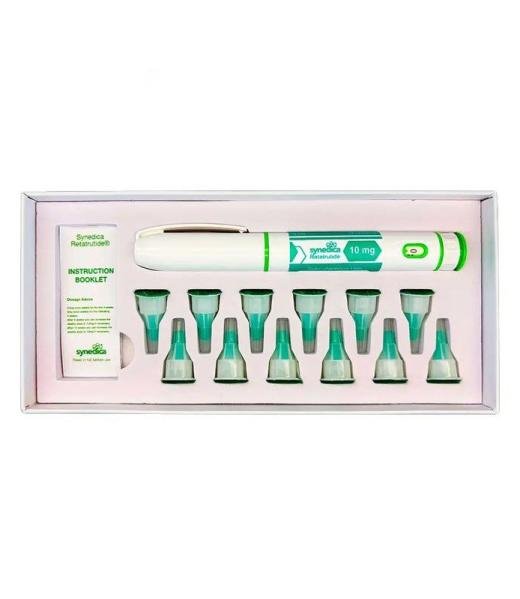

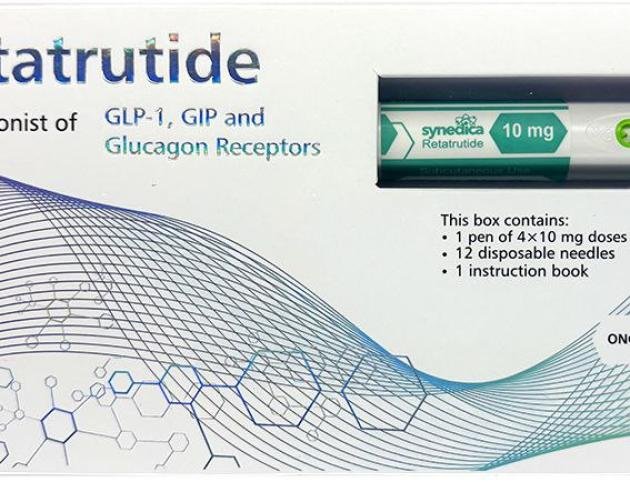

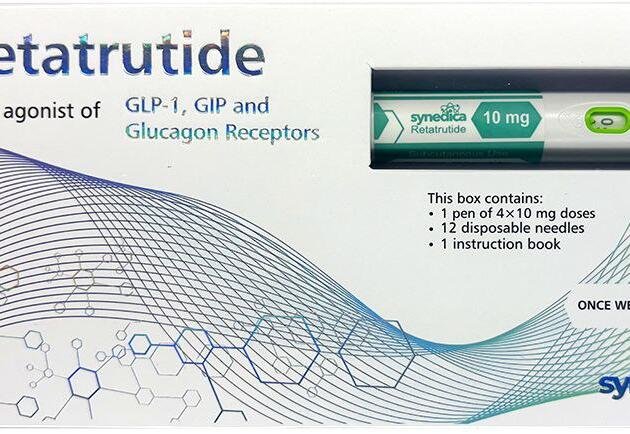
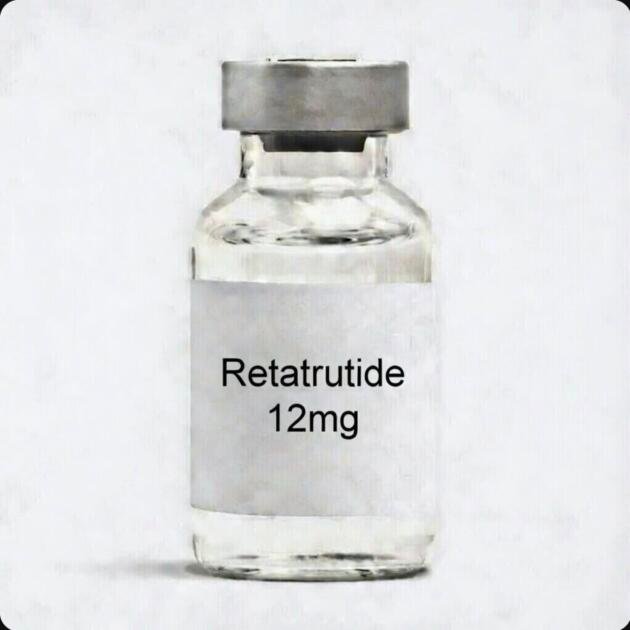
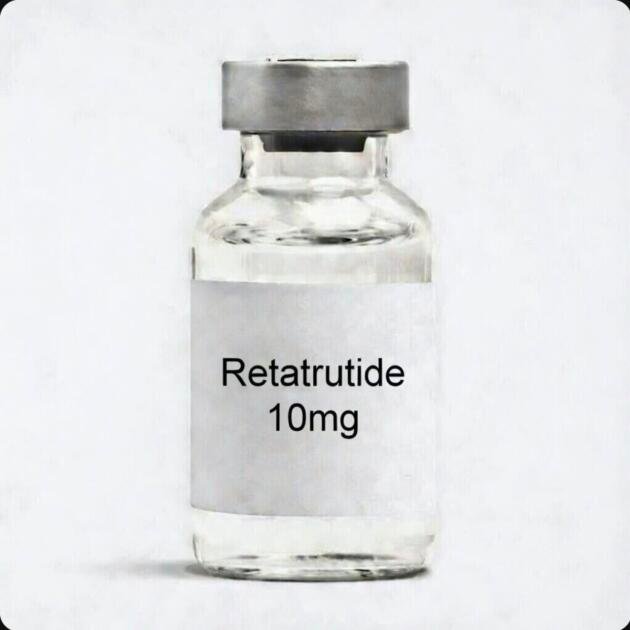
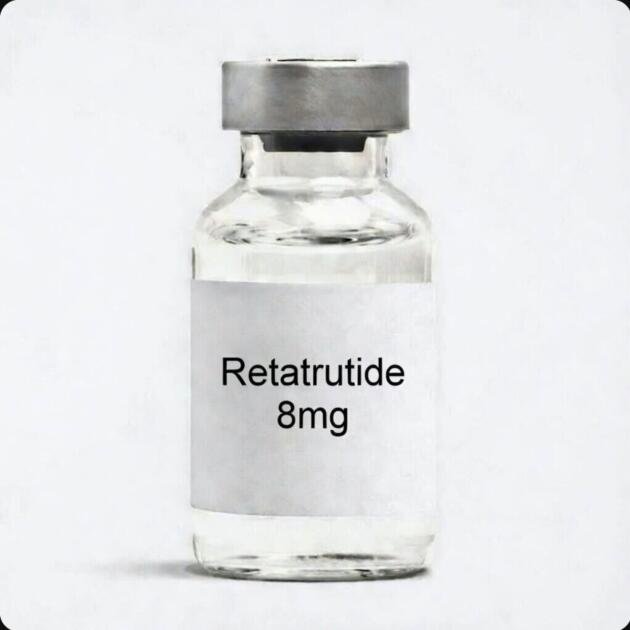
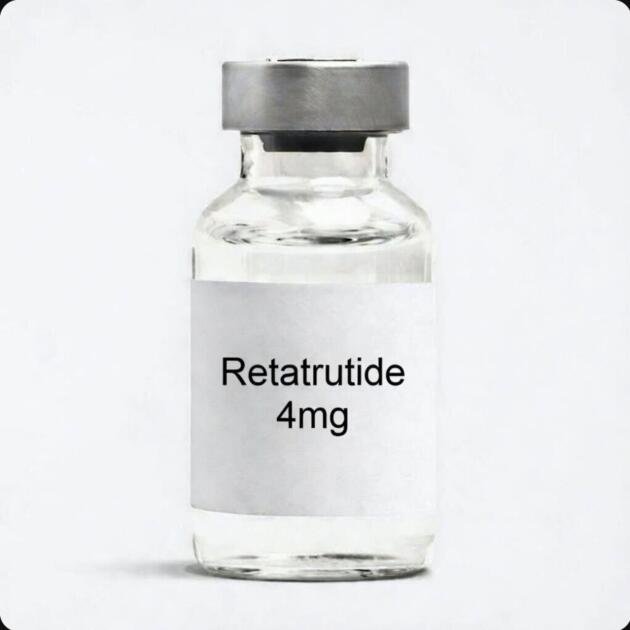
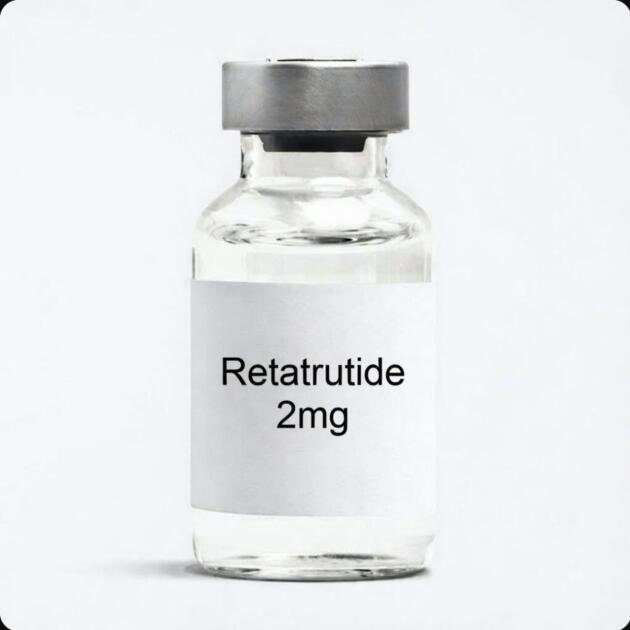
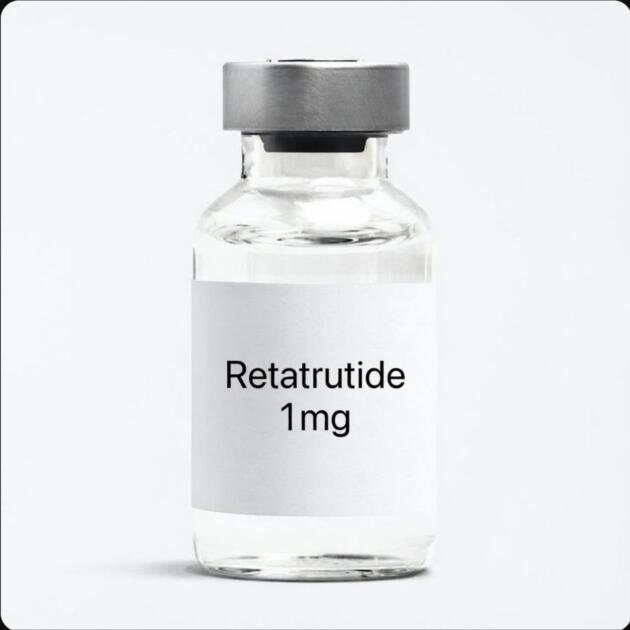
Retatrutide: The Next-Generation Weight Loss Breakthrough
In recent years, weight-loss medications have transformed the treatment of obesity and metabolic disorders. Among the most promising new therapies is Retatrutide, an experimental medication gaining significant attention for its powerful effects on weight loss and metabolic health.
Developed by Eli Lilly and Company, retatrutide is currently being studied in clinical trials and has shown remarkable results for people struggling with obesity and related health conditions.
This guide explains everything you need to know about retatrutide, including how it works, potential benefits, clinical trial results, and why it could become one of the most effective obesity treatments available.
How Retatrutide Works
Retatrutide works by mimicking naturally occurring hormones that control hunger, blood sugar, and metabolism.
1. Appetite Suppression
Activation of GLP-1 receptors helps reduce hunger signals in the brain, making it easier for individuals to eat less without feeling deprived.
2. Improved Blood Sugar Regulation
GIP stimulation improves insulin response and glucose control, which may benefit individuals with insulin resistance or prediabetes.
3. Increased Energy Expenditure
The glucagon component boosts metabolism, encouraging the body to burn more calories and stored fat.
Together, these mechanisms create a powerful metabolic reset that supports sustainable weight loss.
Potential Benefits of Retatrutide
Retatrutide may provide multiple health benefits beyond simple weight loss.
Significant Weight Reduction
Early trials indicate that retatrutide may help patients achieve clinically meaningful and sustained weight loss.
Improved Metabolic Health
The drug may improve several markers associated with metabolic syndrome, including:
Blood sugar levels
Cholesterol
Insulin sensitivity
Reduced Cardiovascular Risk
Weight reduction and improved metabolic markers may help lower the risk of heart disease and related conditions.
Appetite Control
Many users in clinical trials reported feeling fuller for longer periods, making it easier to maintain healthier eating habits.
What Is Retatrutide?
Retatrutide is a triple-hormone receptor agonist designed to treat obesity, metabolic syndrome, and potentially type 2 diabetes.
Unlike earlier weight-loss drugs, retatrutide targets three important metabolic pathways simultaneously, making it unique among modern anti-obesity medications.
These hormone receptors include:
GLP-1 (Glucagon-Like Peptide-1)
GIP (Glucose-Dependent Insulinotropic Polypeptide)
Glucagon receptor
By activating all three pathways, retatrutide helps regulate appetite, metabolism, and energy expenditure more effectively than medications that target only one or two hormones.
This triple-action approach is why many experts consider retatrutide a next-generation obesity therapy.
Retatrutide Weight Loss Results
One reason retatrutide is generating so much excitement is its impressive results in clinical trials.
In early research studies, participants experienced significant weight reduction, often surpassing the results seen with previous obesity medications.
Some trial participants lost up to 24% of their body weight over the study period. For many individuals, this level of weight loss approaches what is typically achieved with bariatric surgery.
Key findings from clinical trials include:
Substantial body weight reduction
Improved blood sugar control
Reduced waist circumference
Better cholesterol and metabolic markers
These results suggest retatrutide could become one of the most effective pharmacological treatments for obesity.
Retatrutide vs Other Weight Loss Drugs
Retatrutide is often compared with other well-known obesity medications.
Here’s how it differs:
| Medication Type | Hormone Targets | Weight Loss Potential |
|---|---|---|
| GLP-1 agonists | GLP-1 | Moderate |
| Dual agonists | GLP-1 + GIP | High |
| Retatrutide | GLP-1 + GIP + Glucagon | Very High |
Because it targets three metabolic pathways, retatrutide may produce greater weight loss compared to earlier drugs.
This multi-hormone mechanism is one of the main reasons researchers believe it could become a major advancement in obesity treatment.
Possible Side Effects
Like most medications that influence metabolism and digestion, retatrutide may cause side effects.
Commonly reported symptoms include:
Nausea
Vomiting
Diarrhea
Decreased appetite
Gastrointestinal discomfort
These side effects are similar to those seen with other GLP-1-based medications and typically improve as the body adjusts to treatment.
However, because retatrutide is still in clinical development, researchers continue to monitor its long-term safety.
Lorem ipsum dolor sit amet, consectetur adipiscing elit. Ut elit tellus, luctus nec ullamcorper mattis, pulvinar dapibus leo.
Who Might Benefit from Retatrutide?
If approved, retatrutide may be prescribed for individuals who:
Have obesity (BMI ≥30)
Are overweight with weight-related health conditions
Struggle to lose weight through diet and exercise alone
Have metabolic disorders such as insulin resistance
Medical professionals may also consider it for patients who have not responded well to existing weight-loss medications.
Popular In Store
What Our Clients Say About Us
We appreciate your kind and honest feedback and invite you to our amazing store.
Excellent! I lost 2kg in just 10 days with no side effects and feel fabulous. The hunger suppression kicked in quickly, and I’m excited to keep going

Mandy Mathers
I was hesitant to try Retatrutide, but it’s been life changing. I’ve lost my cravings, feel in control around food, and have lost 30 pounds in six weeks with virtually no side effects. For the first time in years, I’m not constantly thinking about food.